DJI Osmo Nano – My First Impressions
I originally picked up the DJI Osmo Nano mainly for the form factor and for shooting POV-style footage , just like a lot of people. It’s kind of what this camera is known for.
It’s definitely not a perfect camera. It comes with quite a few limitations, especially if you’re used to having more control over your image.
If a camera is this convenient and this easy to bring along, is it still usable beyond POV? Could you use it for street shooting or even more cinematic-style footage, despite those limitations?
So I took it out, used it in different situations, and these are my first impressions.
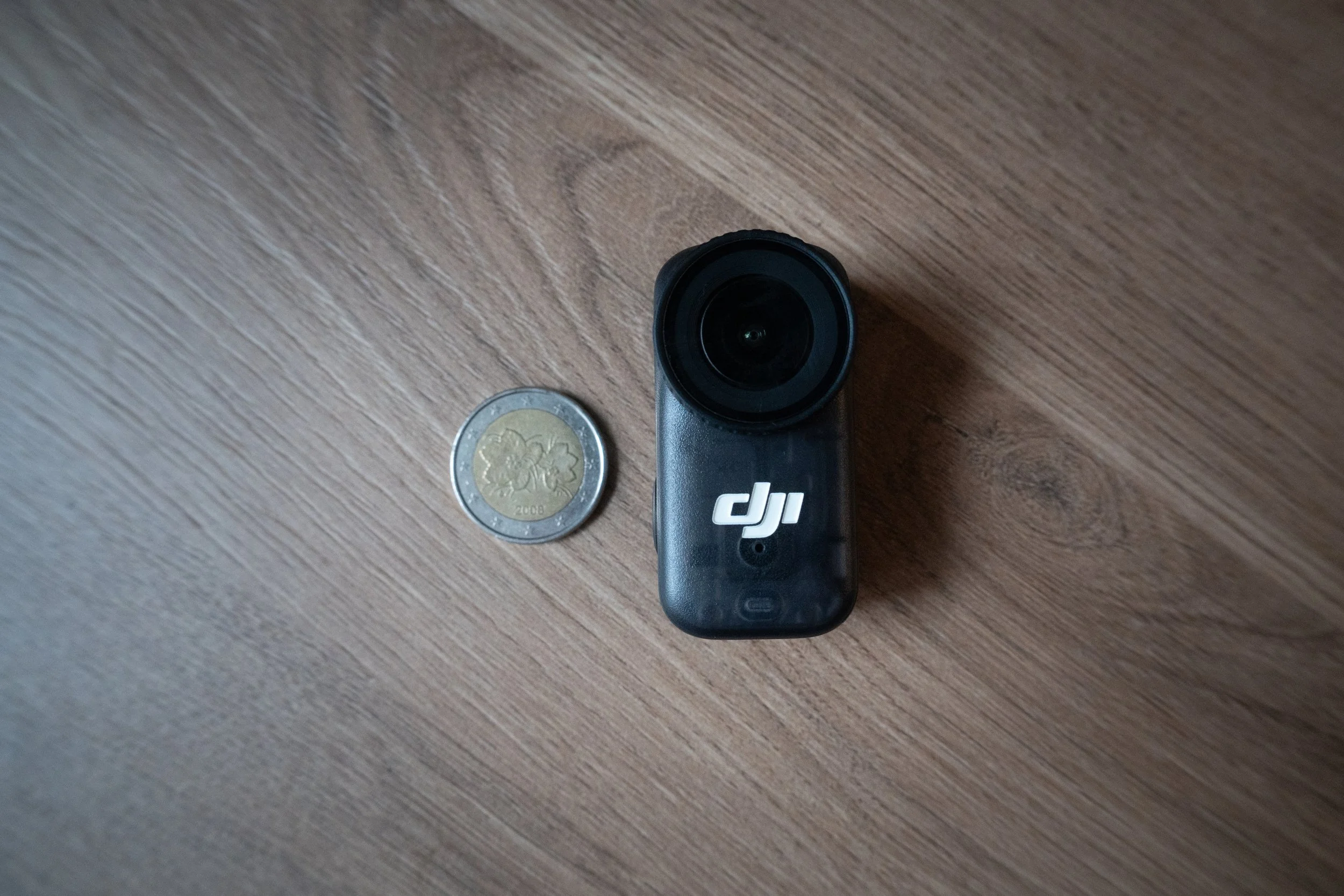
Size doesn’t matter?
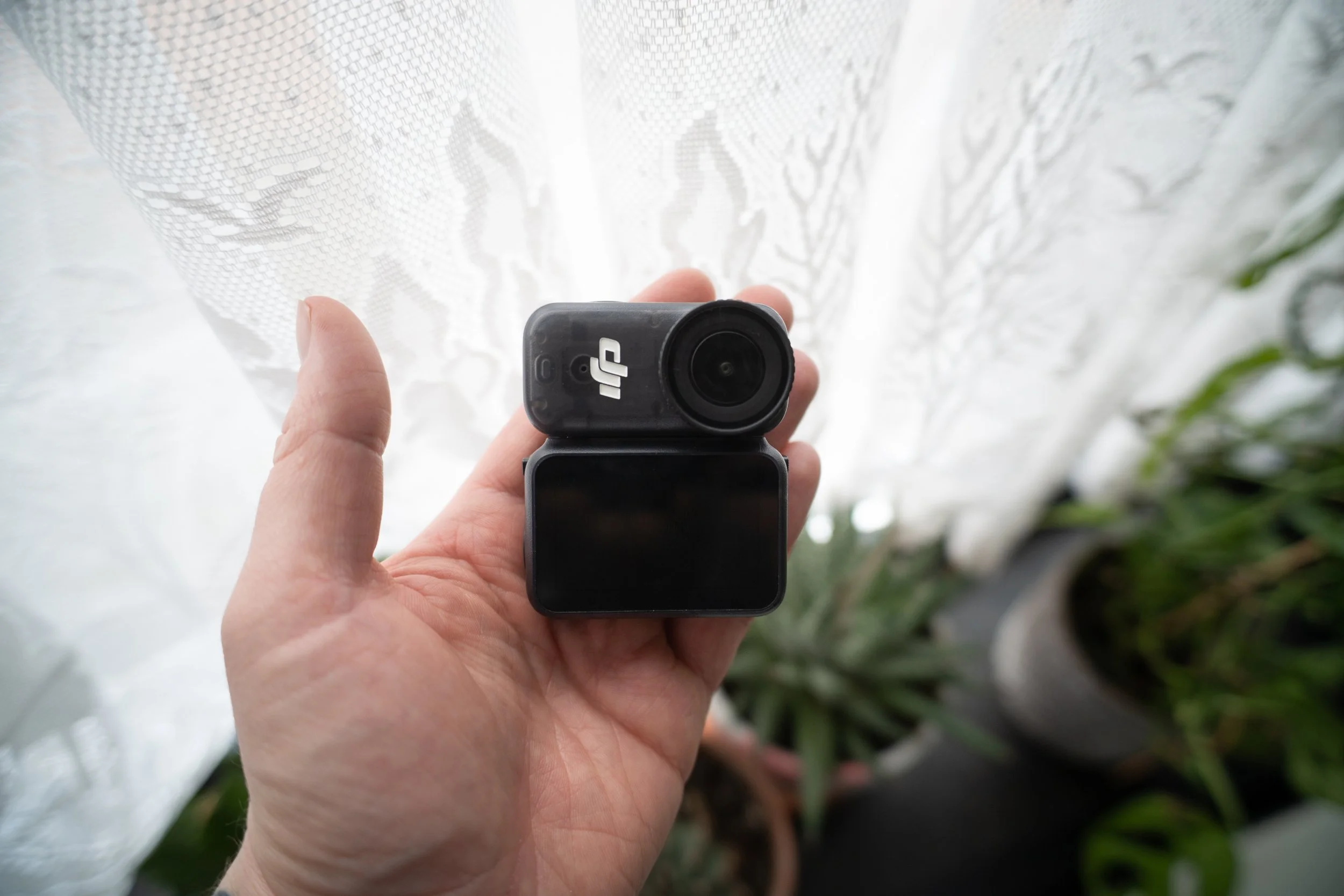
The biggest strength of the Osmo Nano is without a doubt its size.
It’s so small you can just throw it in your pocket and forget it’s even there. Compared to a larger camera, it feels like a completely different way of shooting.
That size also gives you a bit more creative freedom. You can shoot in tight spaces or angles where bigger cameras just don’t fit, which opens up possibilities you normally wouldn’t have.
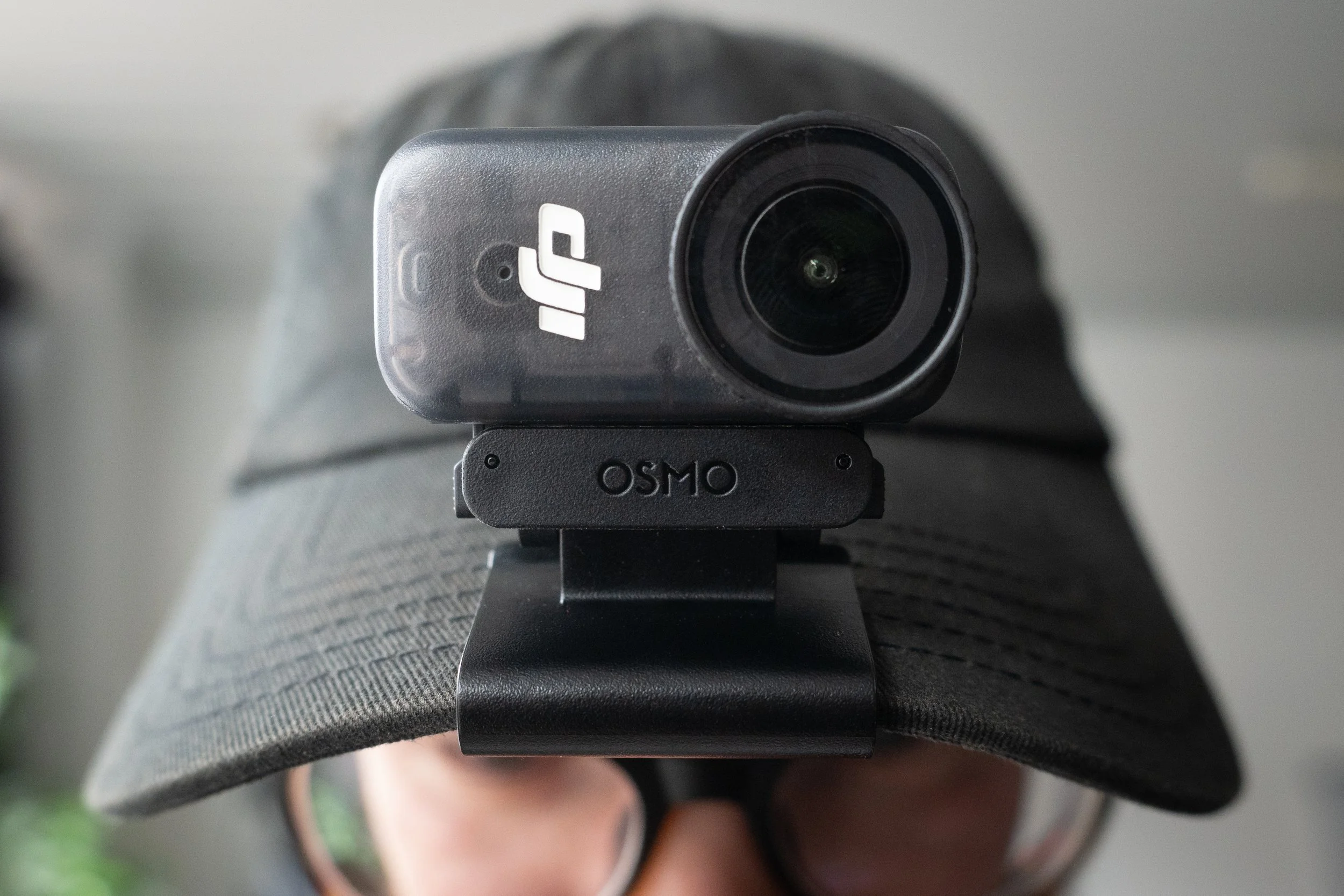
It’s also incredibly discreet, and that changes how people react around you.
When you’re filming with a bigger camera, people notice. They look at you, they hesitate, and sometimes they even stop what they’re doing. That shifts the entire scene.
With the Osmo Nano, that barely happens. You just look like someone casually filming a few clips.
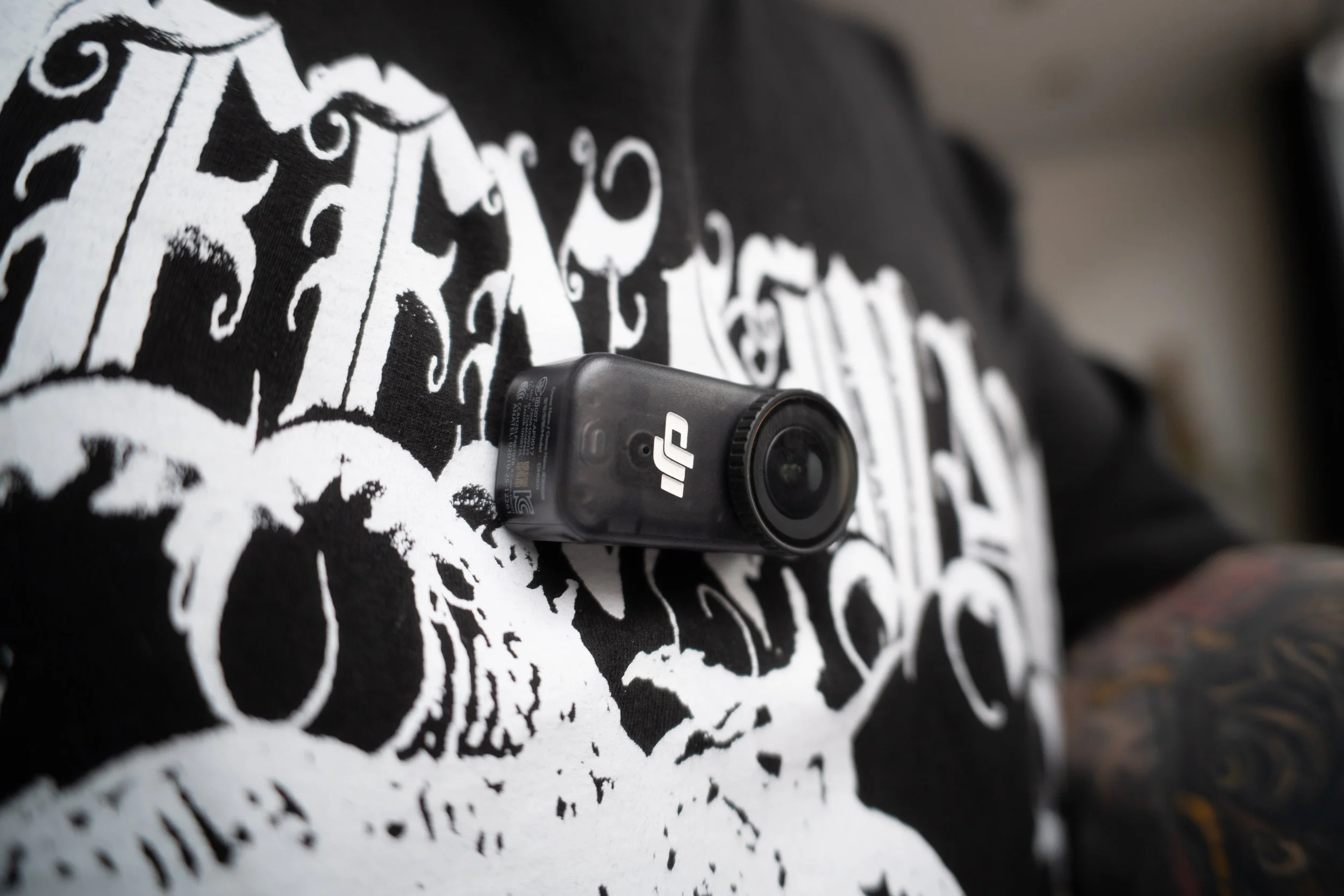
If you’re a bit more shy, you could even clip it to your chest and film without drawing attention at all. I haven’t personally used it like that, but it shows how low-profile this camera really is.
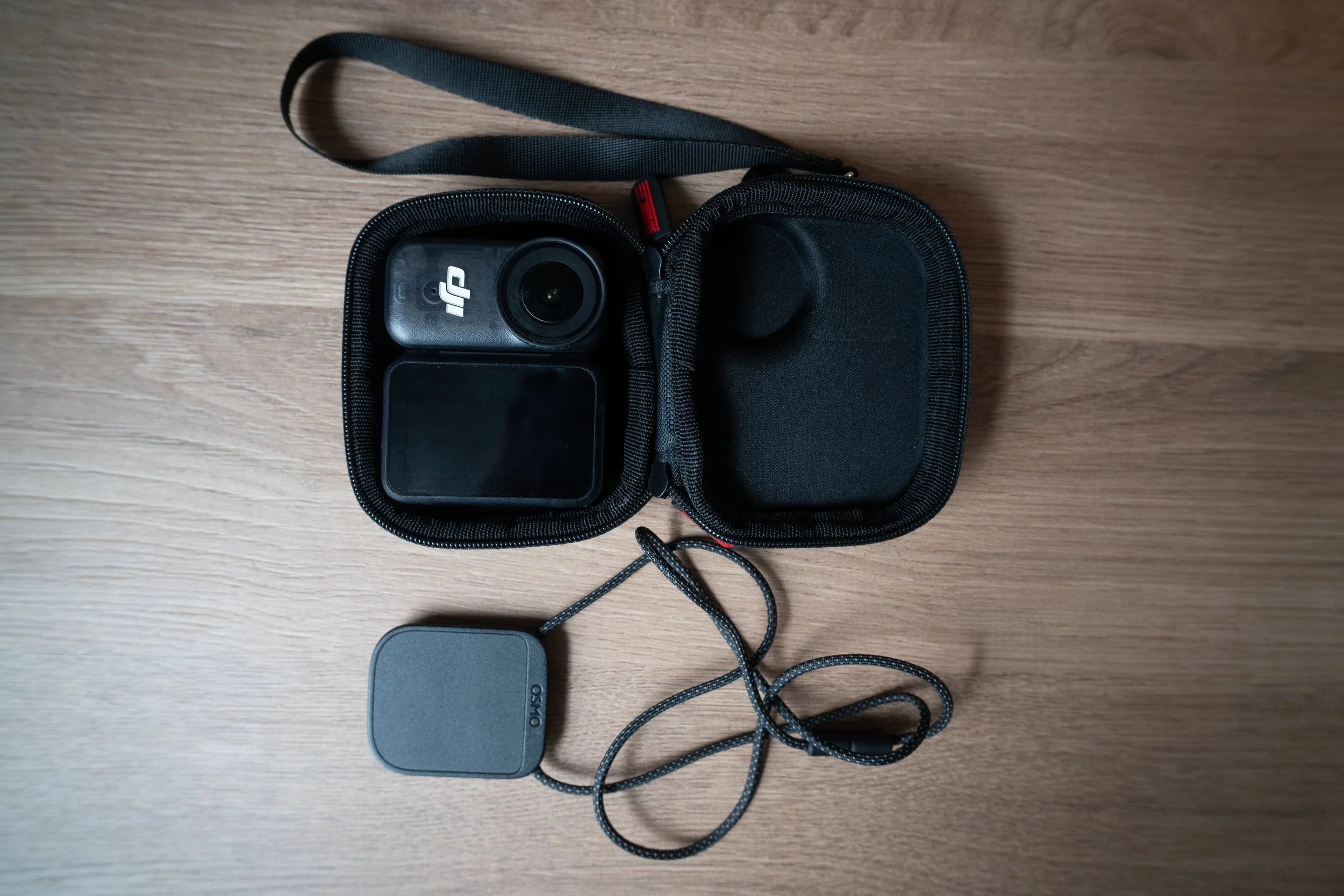
Image Quality – Good for the Size
The image quality is… good.
And honestly, for something this small, it’s actually impressive.
But you can clearly see the difference compared to a larger sensor camera. That’s expected.
Even when comparing it to something like the DJI Osmo Pocket 3, which is also compact, the Nano does fall a bit short.
That said, it’s still very usable.
Where it struggles most is in more challenging conditions:
Low light performance drops off quickly
Highlights tend to blow out easily
Dynamic range is limited
So overall: solid for the size, but don’t expect high-end results.
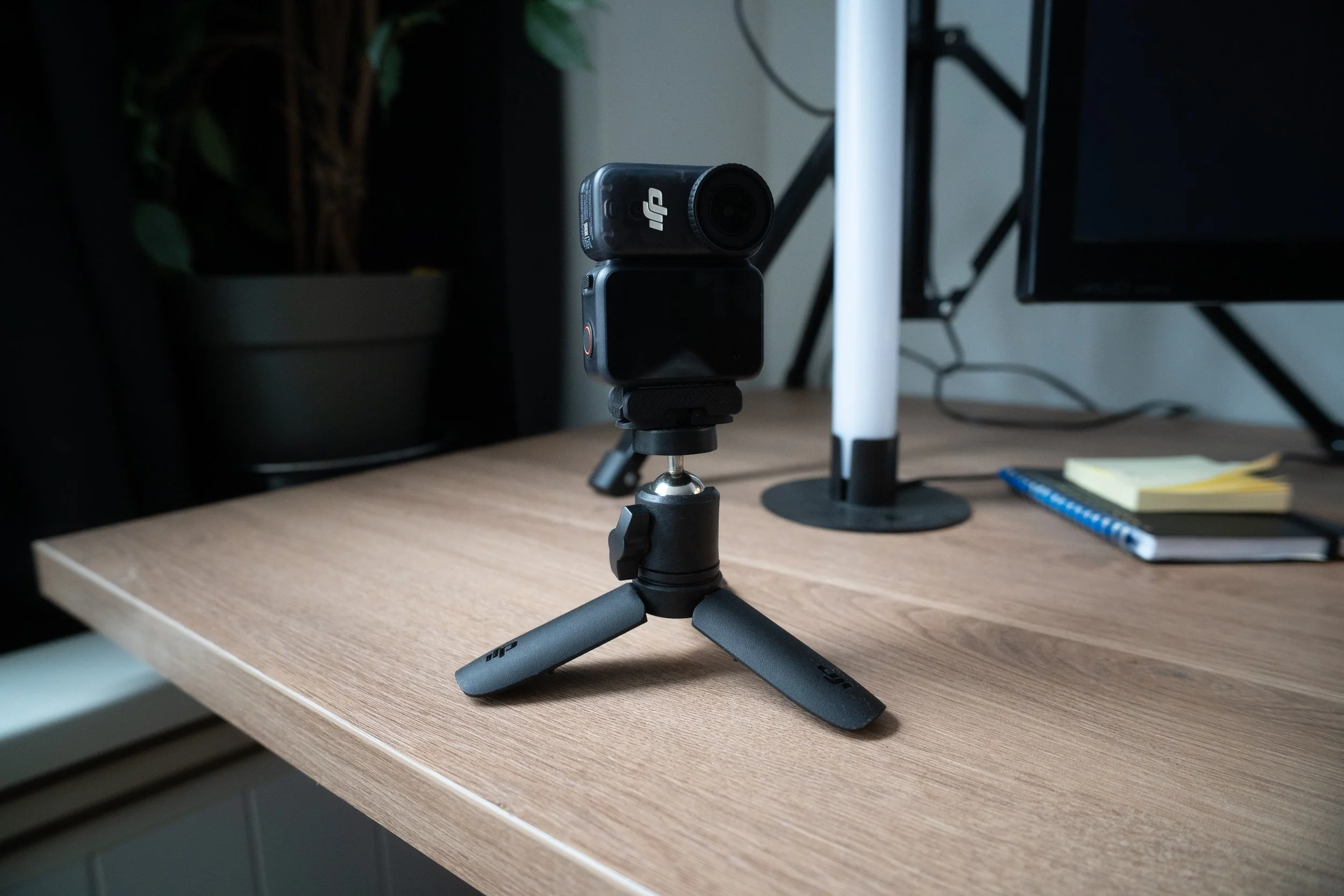
Weatherproofing – A Big Plus
One thing I really appreciate is that it’s weatherproof.
It sounds like a small feature, but in practice it makes a big difference. You don’t have to think twice when the weather turns, which is something I’m always a bit more careful about with the DJI Osmo Pocket.
With this, you can just keep shooting.
From what I’ve seen, you can even take the camera itself underwater up to a certain depth, which is pretty impressive for something this small. I haven’t tested that yet myself, so I can’t really speak from experience there.
One thing to keep in mind though is that the dock isn’t waterproof, so that part has to stay above water.
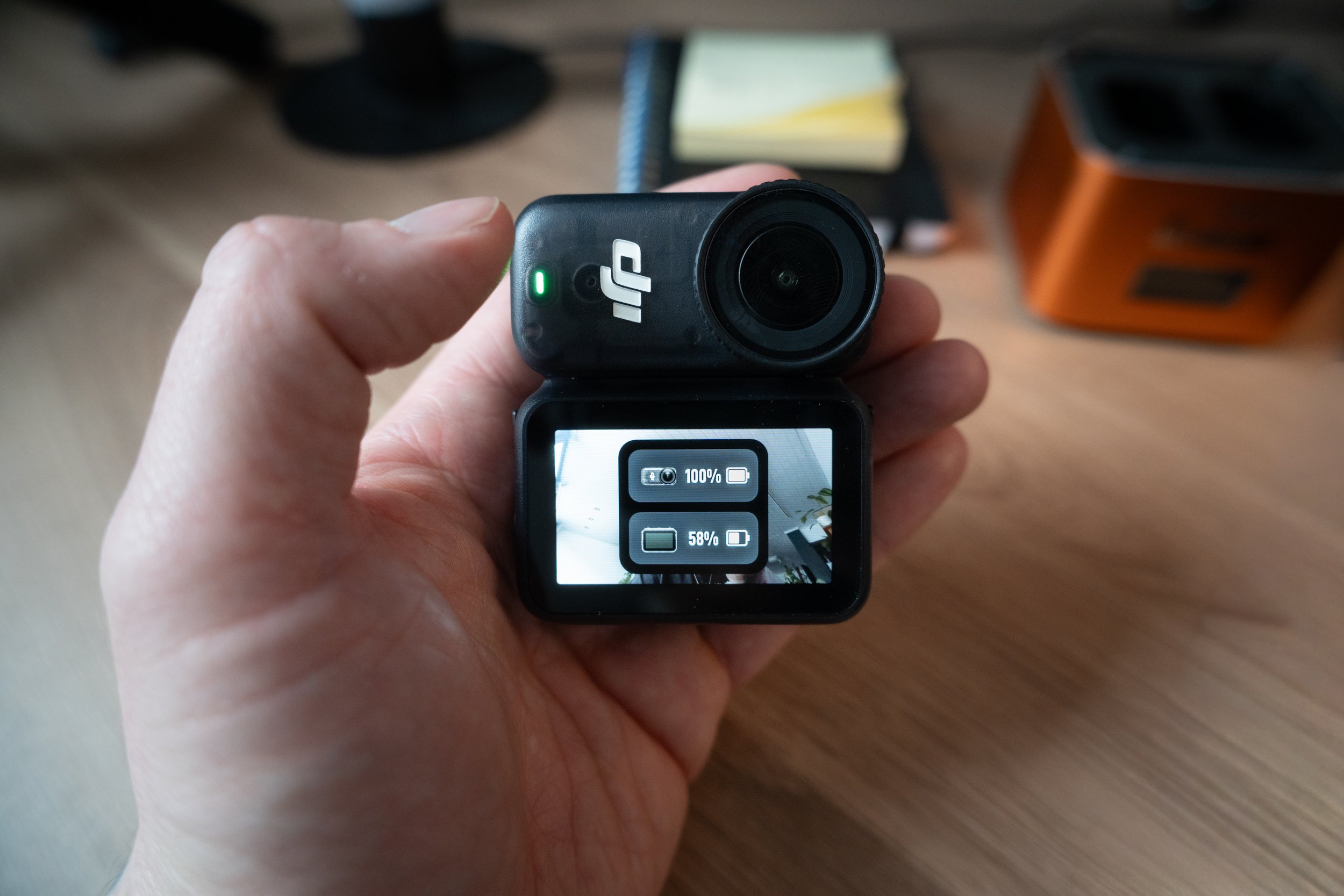
Battery Life & Overheating
Before buying, I heard a lot of complaints about battery life.
But honestly, in my experience, it’s been completely fine.
After a few firmware updates, things seem to have improved a lot.
Here’s my real-world use:
About 2 hours of shooting
Mostly short clips
Turning the camera off between shots
Results:
Camera itself stayed close to 100%
Dock dropped to around 20%
Started at roughly 80% charge
So overall, I used about 60% in two hours, which isn’t bad at all.
Of course, if you leave it running continuously, it will drain faster. But for my shooting style, it holds up well.
As for overheating, I had zero issues.
Again, I wasn’t recording long continuous clips, but based on my experience and firmware updates, it doesn’t seem to be a problem anymore.
Where It Starts to Feel Limiting
The biggest downside of this camera isn’t one specific thing, it’s the overall lack of control.
You start to notice it the more intentional you try to be with your shots.
Fixed Focal Length
You’re stuck with a wide field of view (around 17mm equivalent).
That’s great for:
Wide scenes
POV shots
Environmental storytelling
But not ideal for:
More intimate shots
Filming people without getting too close
As a street and travel photographer, I can work around it. But it does limit your creative options.
Limited Stabilization
There’s some stabilization, but it’s not great.
Compared to higher-end setups, footage can get shaky pretty quickly. If you don’t have very steady hands, you’ll notice it.
Fixing it in post only works to a certain extent.
The lens is stuck at f2.8.
That means:
No stopping down for sharper scenes
Less flexibility in exposure
Limited control over your look
If you’re used to shooting at f5.6 or f8 for street scenes, this can feel restrictive.
No Control Over Focus
This might be one of the most frustrating parts.
No manual focus
No tap-to-focus
Fixed focus distance
You basically lose control over what you want to emphasize in your frame.
All of this together makes it clear: this isn’t a camera built for control. It’s built for convenience.
POV Footage – Where It Really Shines
Even with all those limitations, there’s one area where the Osmo Nano really stands out: POV footage.
For this, it’s honestly an obvious winner.
It’s even smaller and easier to carry than most action cameras, and the magnetic necklace system is a game changer.
You don’t need to:
Wear a bulky chest mount or neck harness
Struggle with your gear to get it onto a mounting system
You just wear a lightweight magnetic necklace, clip the camera on, and you’re good to go.
It’s simple, fast, and comfortable.
Another huge advantage is the Vision Dock. It allows you to actually check your framing while the camera is on your chest, which is something you typically can’t do with action cameras unless you connect them to your phone.
For POV creators, this alone makes a big difference.
Final Thoughts
I have mixed feelings about the Osmo Nano.
I really like using it, mainly because of how small and easy it is to carry. It’s one of those cameras you actually take with you, and that already makes it valuable.
At the same time, when I’m more intentional about what I want to shoot, I do start to miss the control I get from something like the DJI Osmo Pocket or my main camera.
So for cinematic work, I’d still reach for those.
But for casual days or anything POV-related, this camera fits in a way that bigger setups just don’t.
And honestly, that’s probably exactly what it was made for.