Why You Should Shoot in Aperture Priority
As beginners, we are often told that the only “real” way to shoot is in manual mode. If you don’t have full control over your camera, you’re not a real photographer.
But that idea is outdated.
The truth is, many professional photographers don’t always shoot in manual. There is a time and place for it, but in a lot of real-world situations, it is completely fine, and often smarter, to use another mode.
For me, that mode is aperture priority.
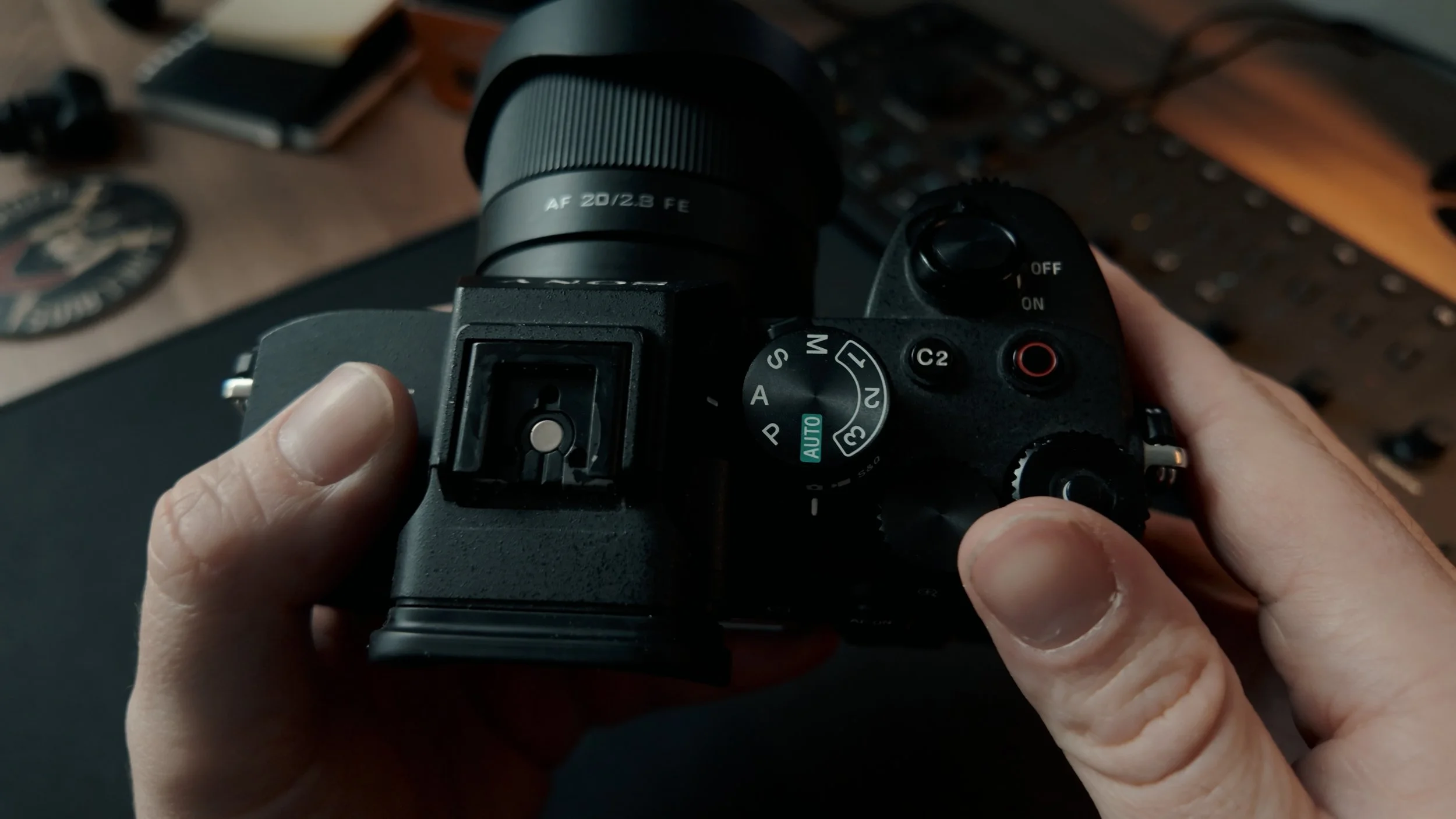
What Is Aperture Priority?
Aperture priority mode allows you to control your aperture, while your camera automatically adjusts the shutter speed, and if you enable auto ISO, ISO as well.
In other words, you stay in control of your depth of field and creative look, while the camera helps handle exposure.
This gives you a huge advantage when you are out shooting, especially in fast-paced environments.
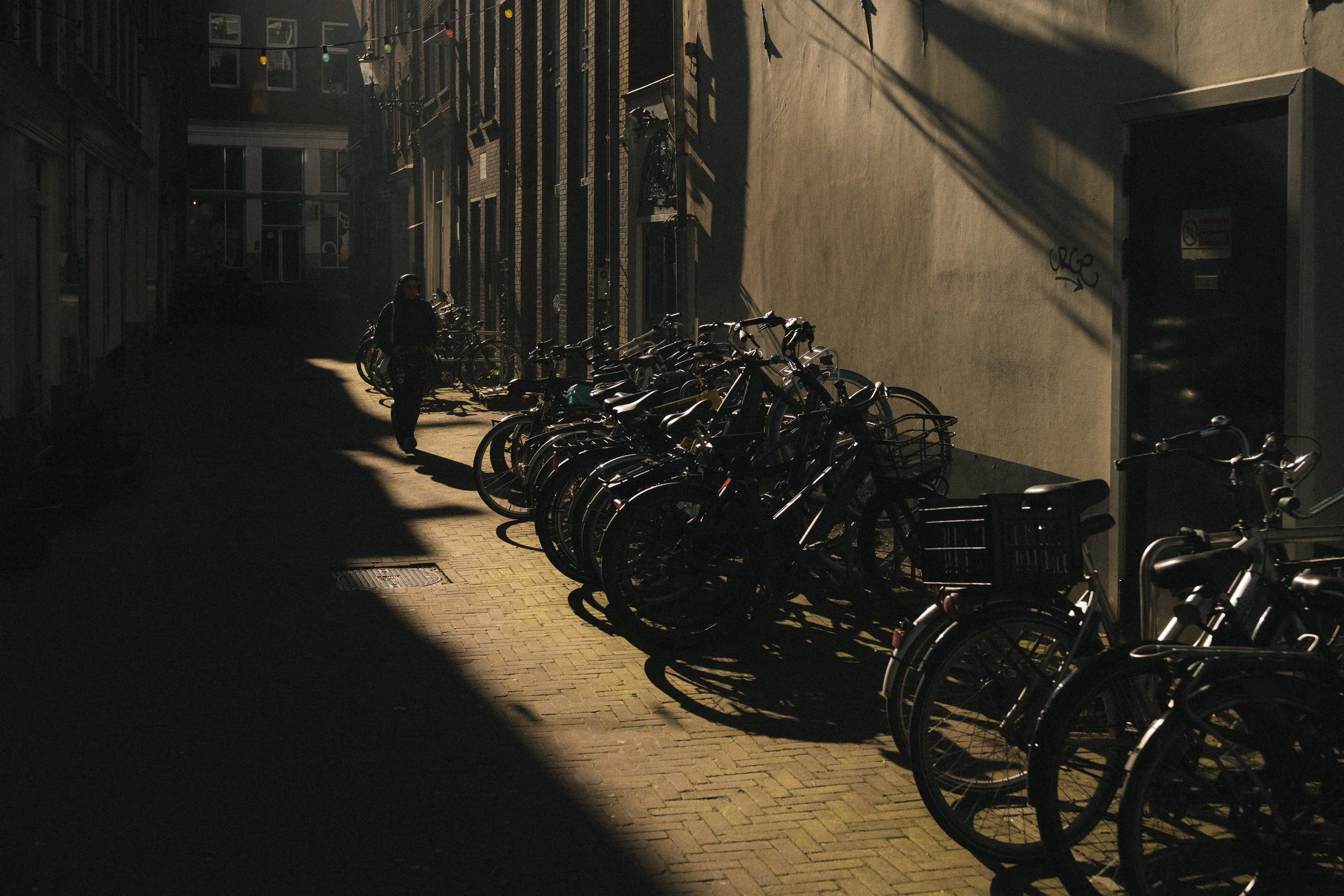
Why Aperture Priority Is Perfect for Street and Travel Photography
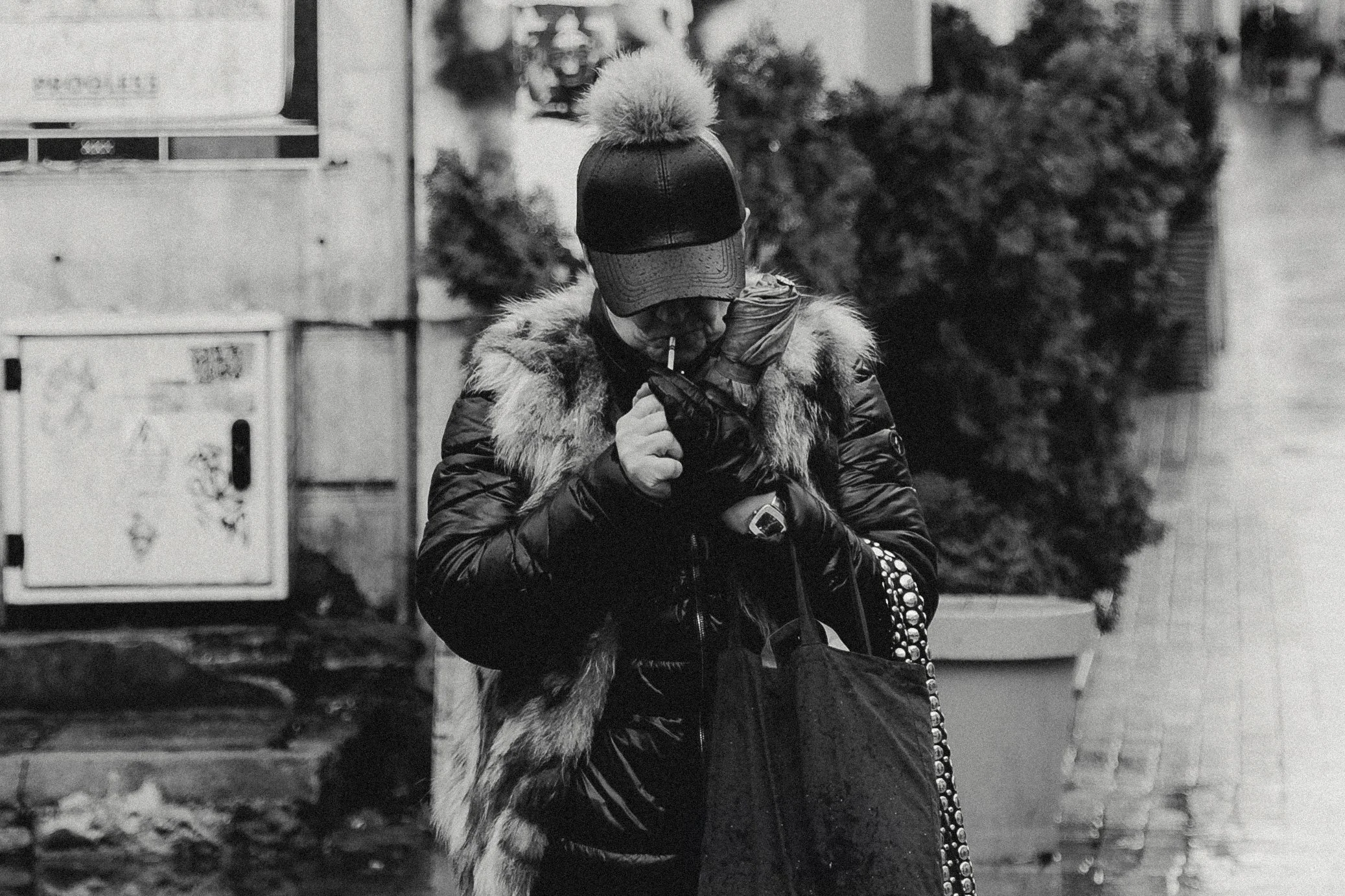
Street and travel photography are all about capturing moments as they happen. You don’t get second chances.
When you are constantly adjusting shutter speed and ISO in manual mode, you risk missing those moments.
I have experienced this many times when I was starting out. I would be shooting in manual, see something interesting unfold, and by the time I adjusted my settings, the moment was gone.
With aperture priority, you are much less likely to have that problem.
You can react instantly.
You spend less time thinking about settings and more time focusing on composition, timing, and storytelling.
What About ISO and Shutter Speed?
A common concern is losing control over ISO and shutter speed.
What if your ISO gets too high and your image becomes noisy?
What if your shutter speed drops too low and your subject becomes blurry?
Here is the good news.
Modern cameras give you more control than you might think.
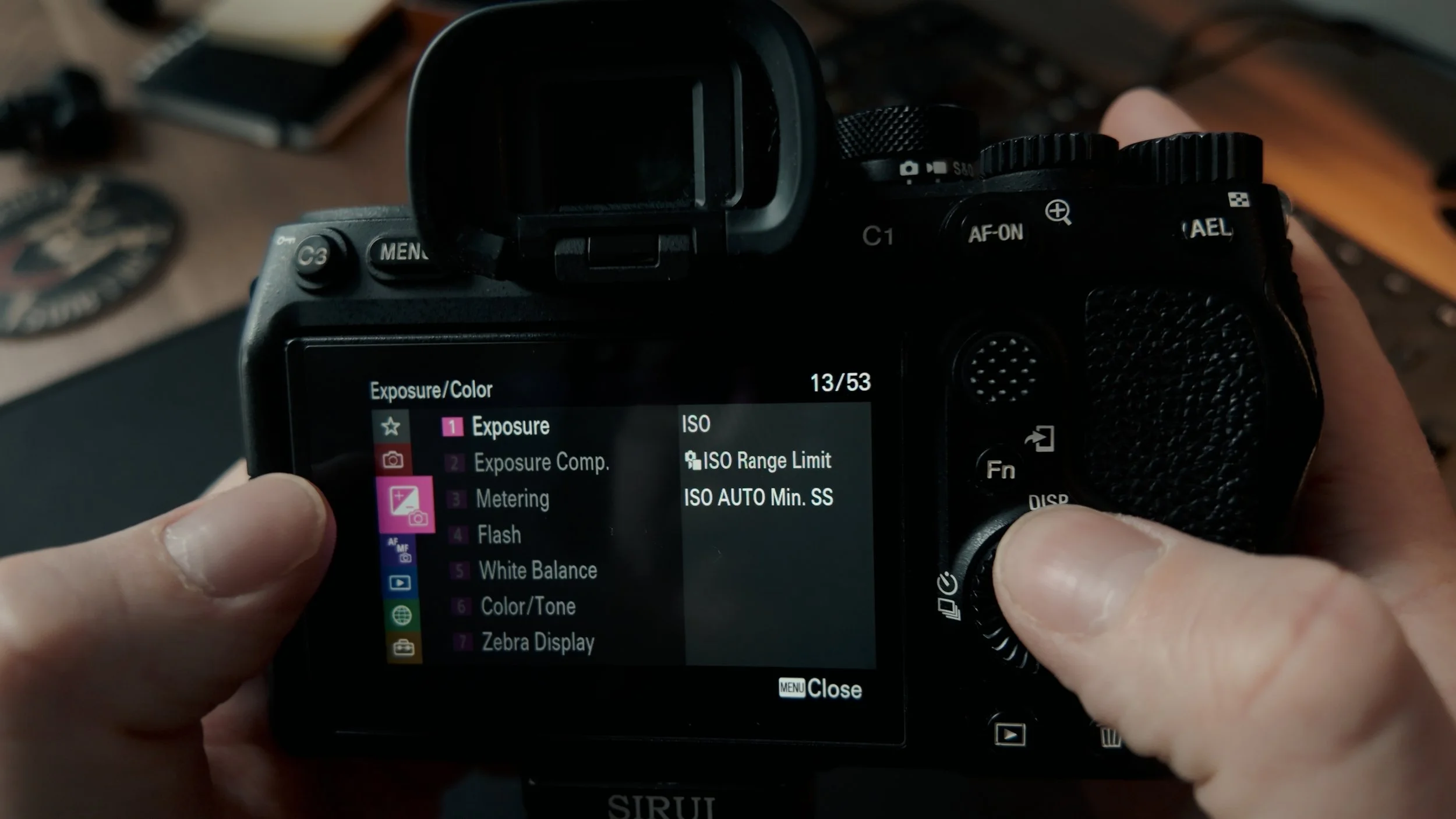
On cameras like the Sony A7 IV, you can:
Set a minimum shutter speed
Set a maximum ISO
This means you are not fully giving up control. You are simply setting boundaries for how your camera behaves.
My Personal Settings
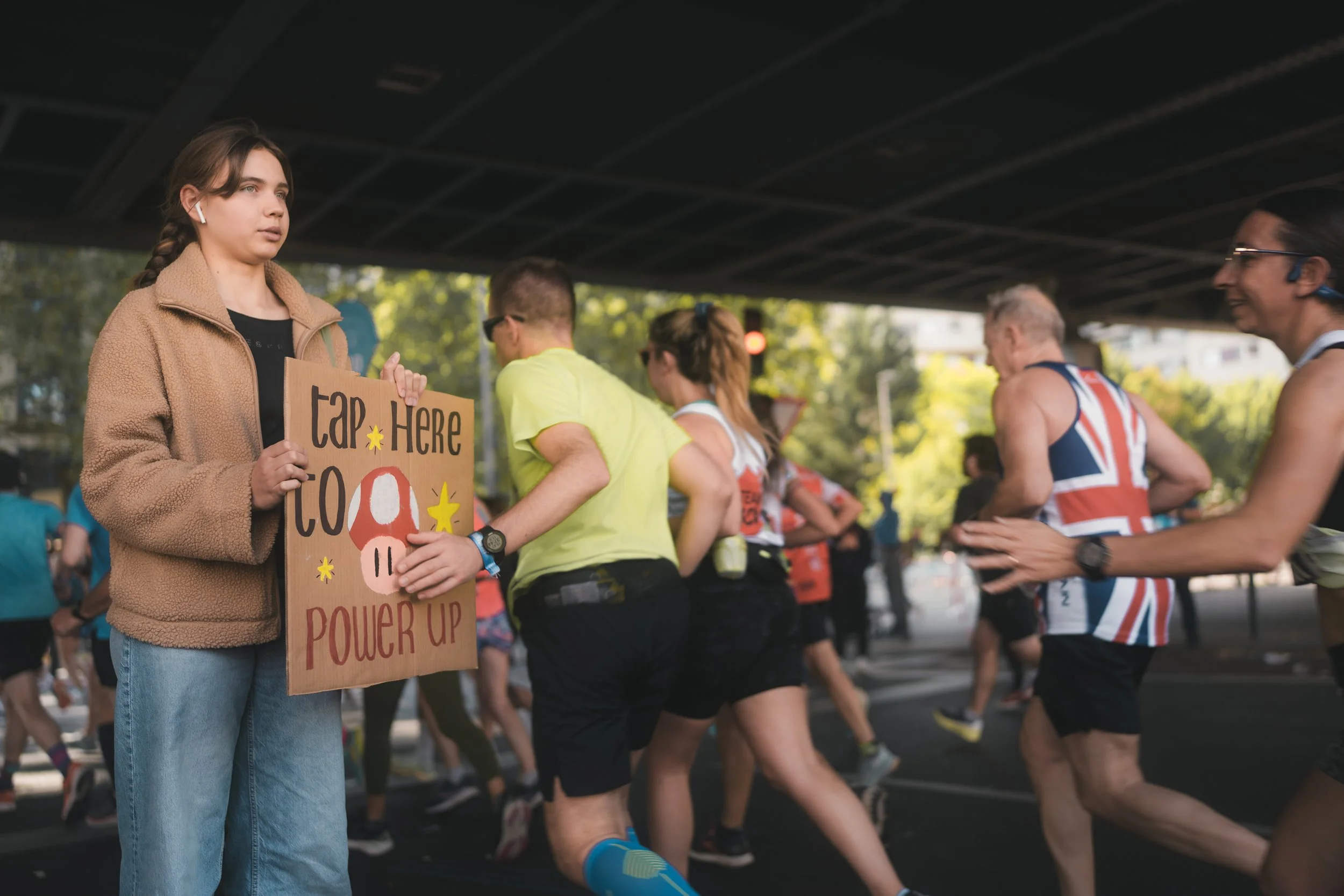
Here is how I use aperture priority on my Sony A7 IV:
Minimum shutter speed: 1/250
For faster action: 1/500
Maximum ISO: 10,000 to 16,000
For street photography, 1/250 is usually more than enough to freeze people walking. If I expect faster movement, I increase it to 1/500.
As for ISO, modern cameras handle higher ISO much better than they used to, and with today’s denoising tools, even higher values are often very usable. That said, it’s still worth testing your own limits and finding what works best for you.
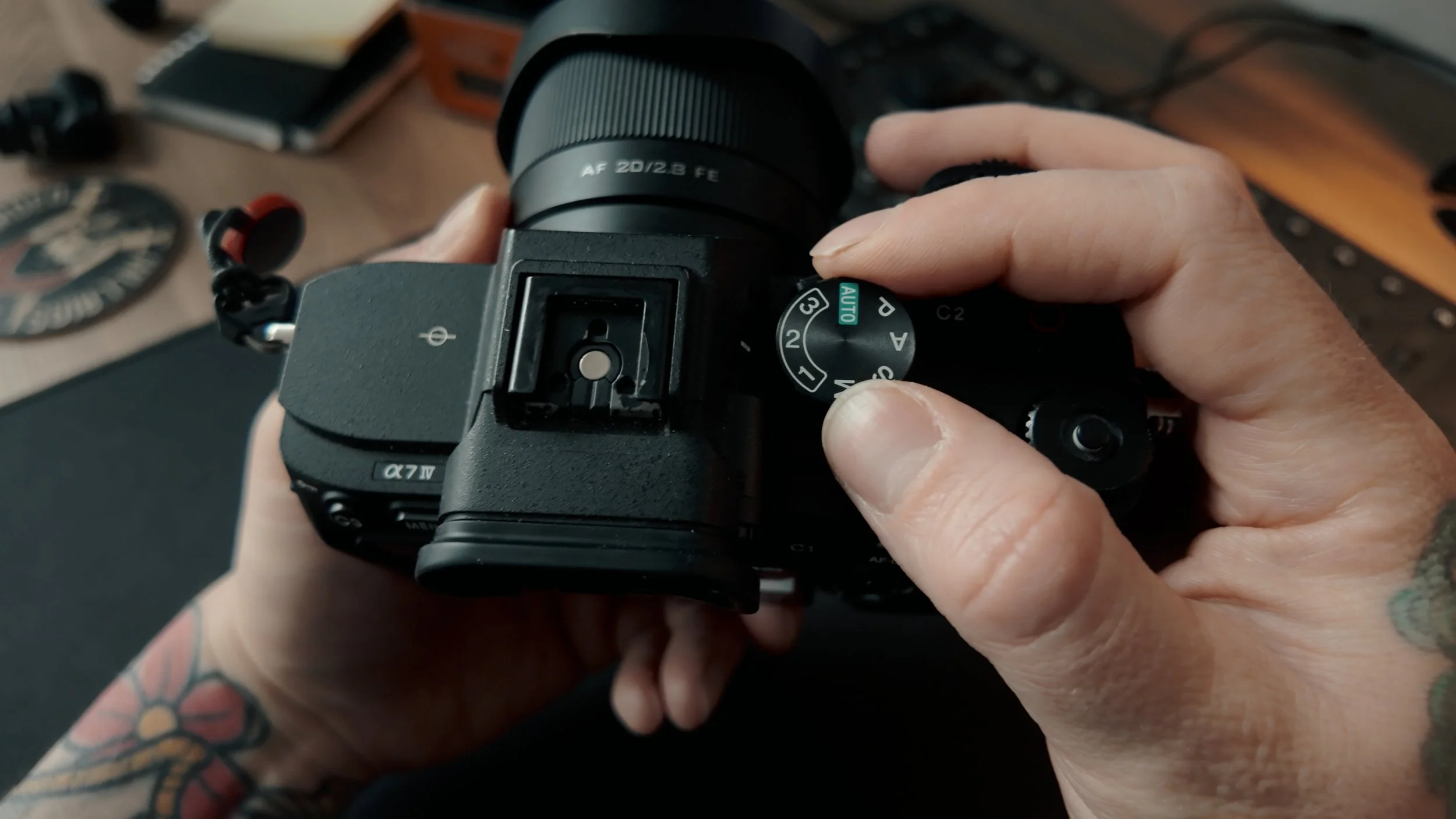
Use Custom Modes to Speed Things Up
Another powerful tip is using custom modes.
On the Sony A7 IV, you have three custom settings on the top dial: 1, 2, and 3.
You can configure these for different lighting situations, for example:
1 → Low light settings
2 → Normal daylight
3 → Harsh sunlight
This allows you to instantly switch between setups without digging into menus.
It is a small change that makes a big difference when you are shooting on the go.
One Thing to Keep in Mind
Aperture priority is powerful, but it is not perfect.
Because your camera is constantly adjusting exposure based on what it sees, your brightness can shift slightly from shot to shot, especially when your composition changes.
This is completely normal, but it is something to be aware of.
In controlled environments with consistent lighting, manual mode can still be the better choice.
Final Thoughts
Manual mode is not the gold standard of photography. It is just one tool.
Aperture priority gives you speed, flexibility, and enough control to handle most real-world situations.
If your goal is to capture moments instead of chasing settings, it might be the better choice.
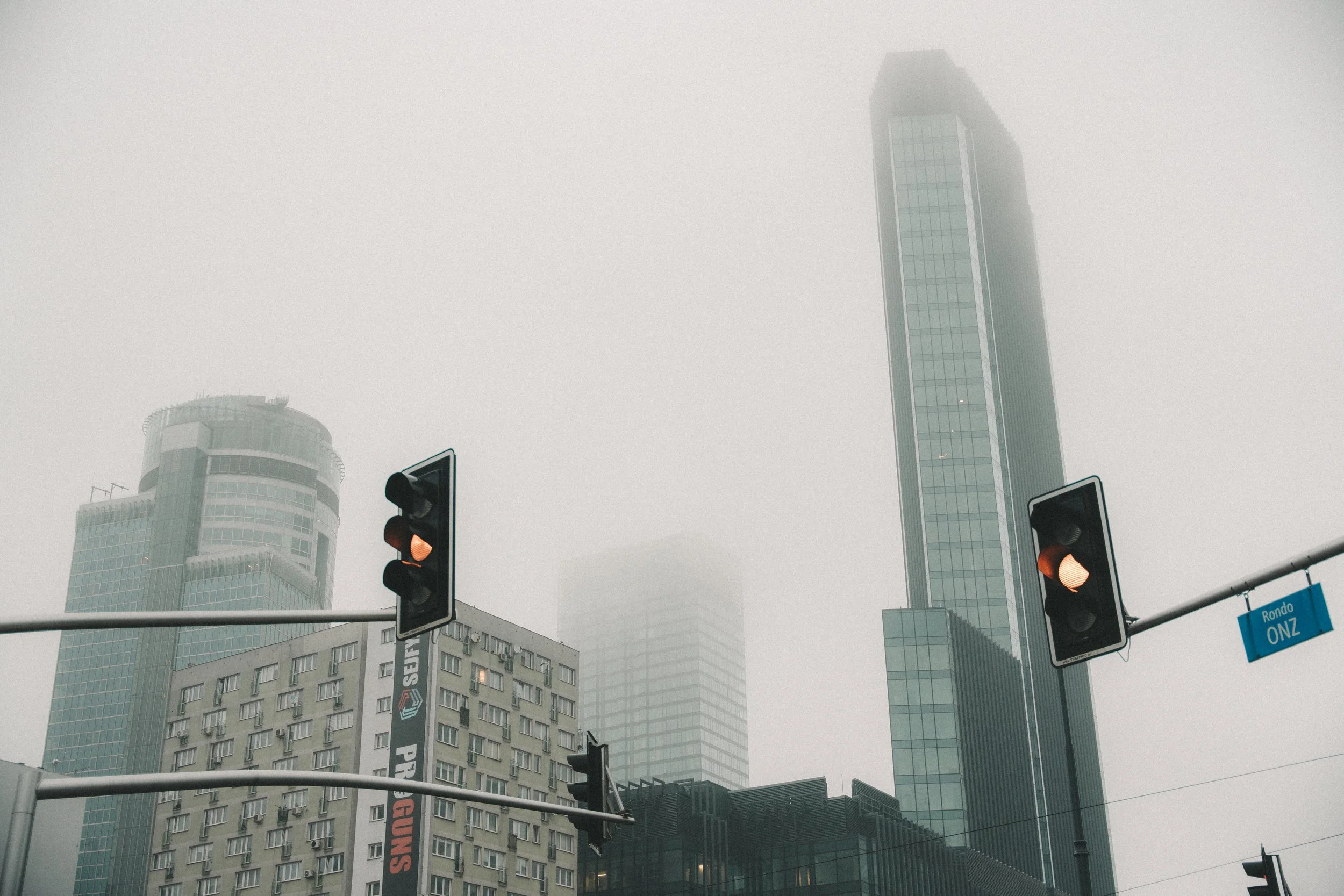
Especially in street and travel photography, where moments don’t wait for you.
Try it out, experiment with your limits, and see how it changes the way you shoot.