My Travel Lens Setup for 2026
Why I Switched From a Zoom to a Lightweight Prime Kit
When I travel, I walk all day and my heavy camera will start to feel like a burden.
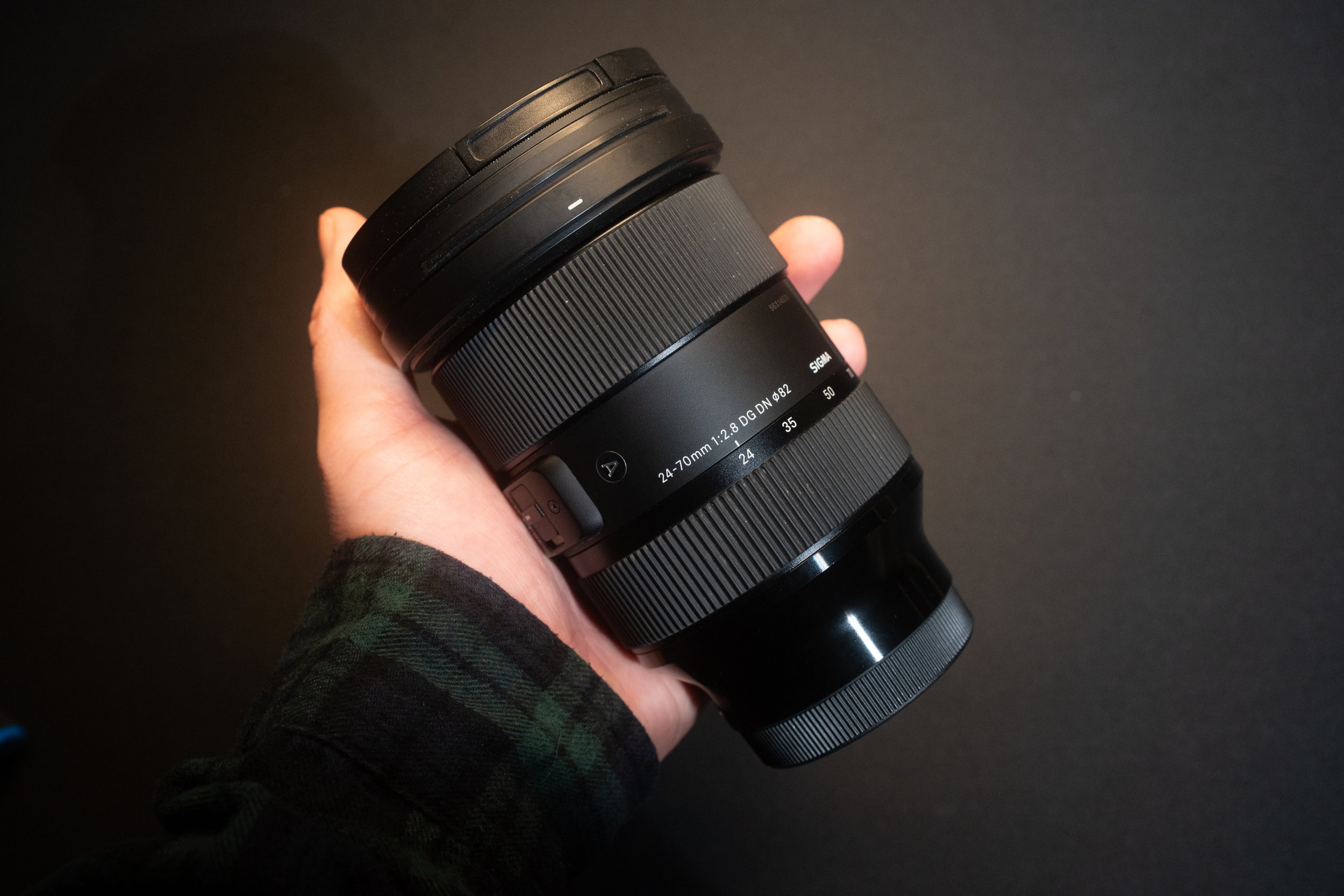
For years, my main travel lens was the Sigma 24–70. I love the image quality, but after traveling with it extensively, I realized it was heavy enough to make me shoot less.
Rather than waiting for a lightweight 24–70 that probably won’t exist anytime soon, I chose a different approach: replacing the zoom with lightweight prime lenses that together cover roughly the same range.
What I Was Looking For
Before buying anything, I set a few clear rules:
Small and compact lenses
Very lightweight
Reasonably affordable
Together covering roughly 24–70mm
After comparing a lot of options, this is the setup I’ll be using for travel and street photography throughout 2026.
You’ll notice that all of these lenses come from Viltrox. That wasn’t intentional going in, but they consistently offered the lightest and most compact options that still met my expectations for image quality and autofocus.
Viltrox 20mm f/2.8 Air
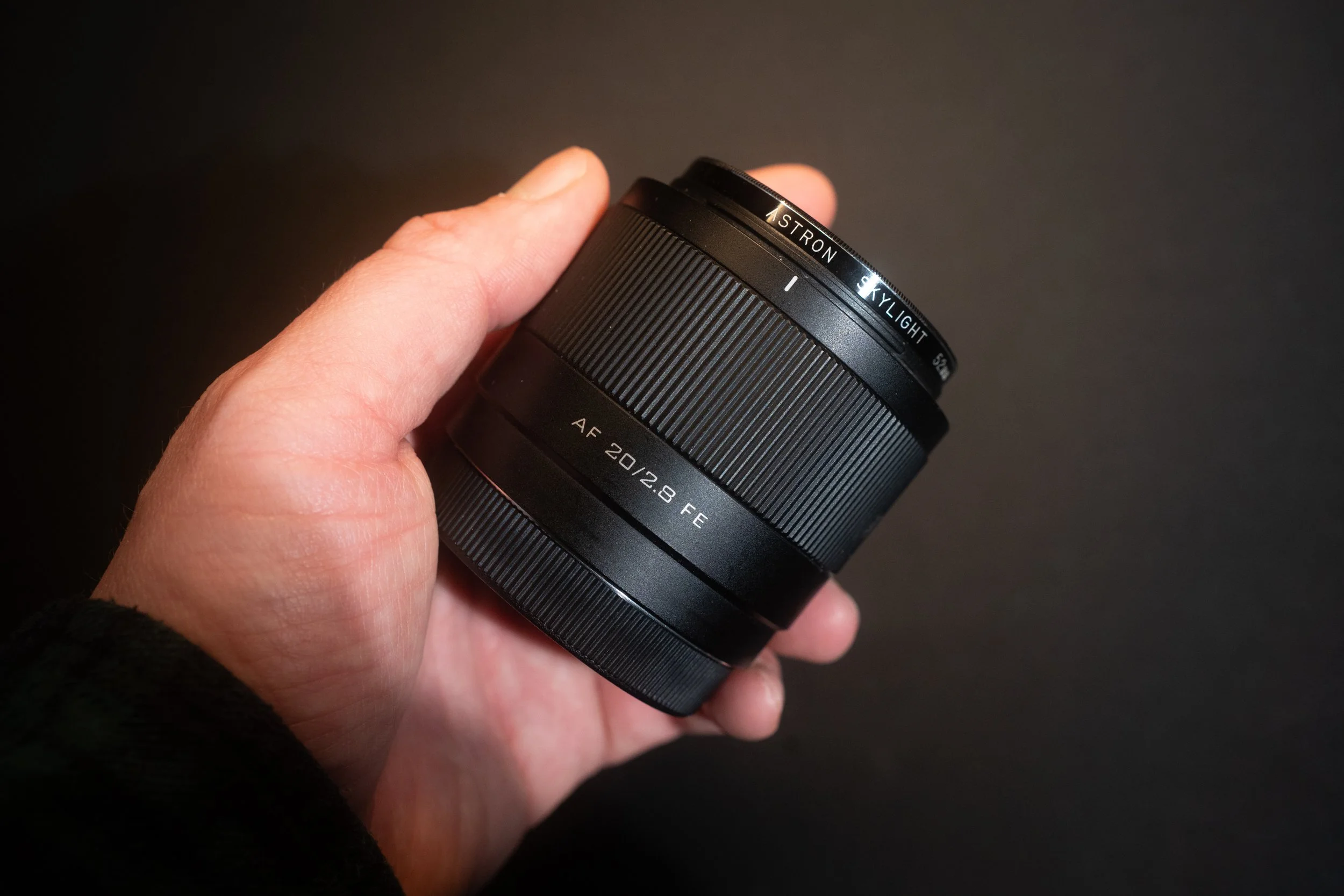
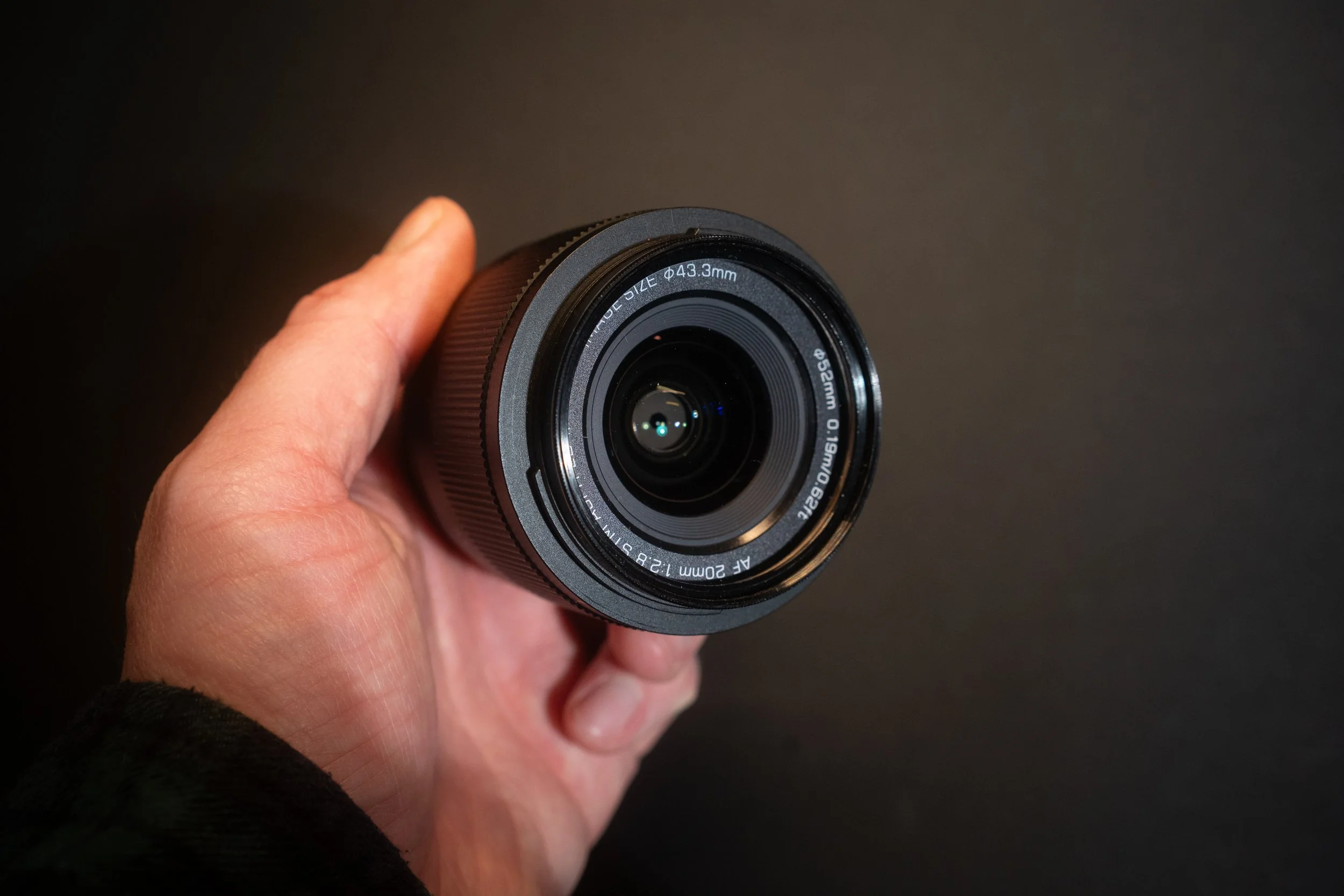
The first lens in the kit is the Viltrox 20mm f/2.8 Air.
At just 157 grams, this lens is incredibly light. On the camera and in the bag, it’s barely noticeable.
For travel, a wide-angle lens is essential for me. I use this lens for architecture, narrow European streets, landscapes, and scenes where I want to show more of the environment.
It’s also very usable for video and YouTube, offering a wide but controlled field of view without excessive distortion. Considering the size, weight, and price, the image quality is genuinely impressive.
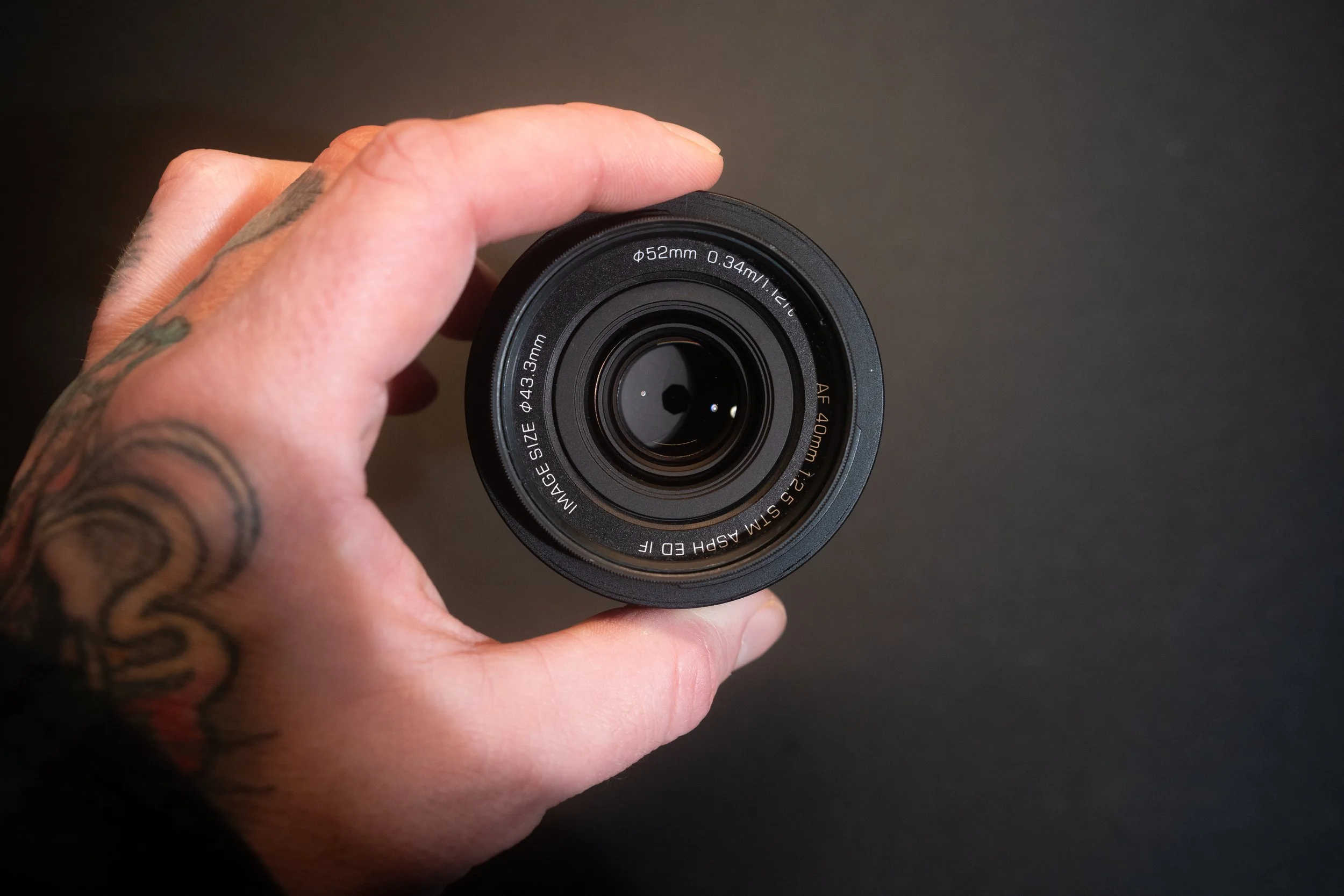
Viltrox 40mm f/2.5
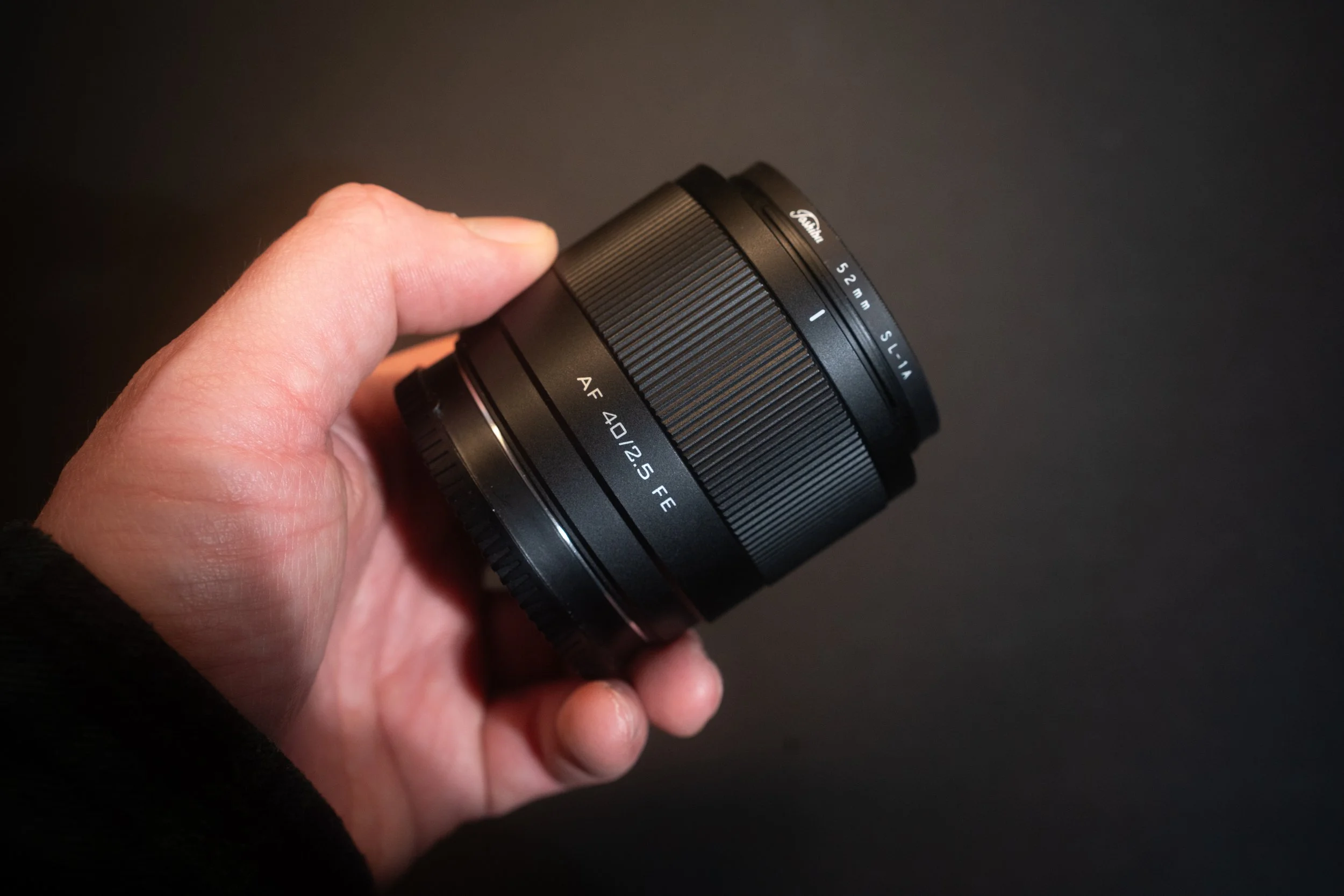
The second lens is the Viltrox 40mm f/2.5, and this has quickly become my main everyday lens.
I’ve always enjoyed shooting around 35mm, but when reviewing my images, I noticed I often cropped slightly. That made 40mm a very natural fit.
It sits perfectly between 35 and 50 and feels intuitive for street and travel photography. It gives enough context without feeling wide and enough compression without feeling tight.
I originally tried the Ttartisan 40mm f/2 , but the vignetting was too strong for my taste. The Viltrox 40mm f/2.5 feels much more neutral and predictable. Vignetting is well controlled, autofocus is reliable, and sharpness is excellent.
At around 180 grams, it fits perfectly into a lightweight travel setup.
Viltrox 85mm f/1.8 EVO
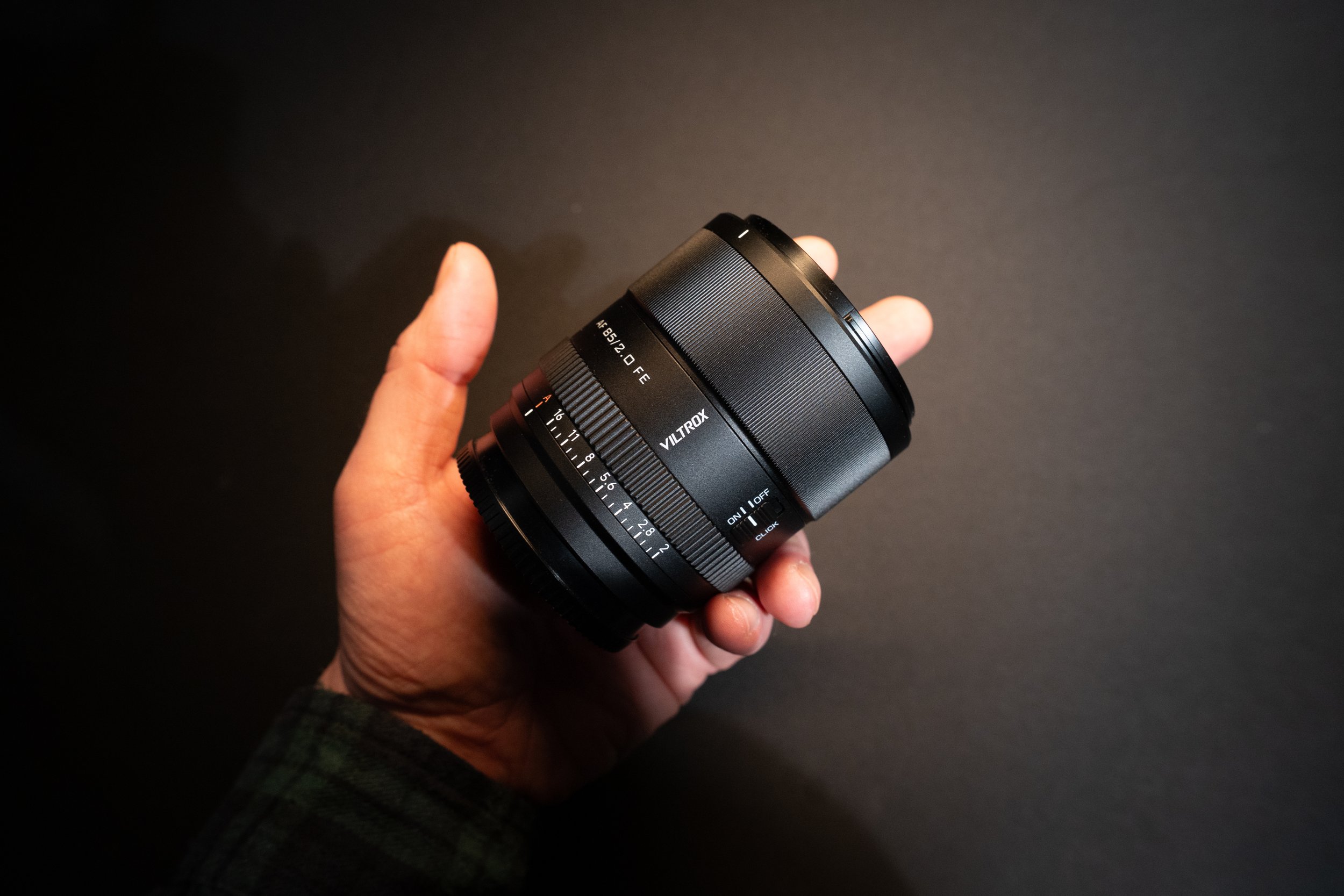
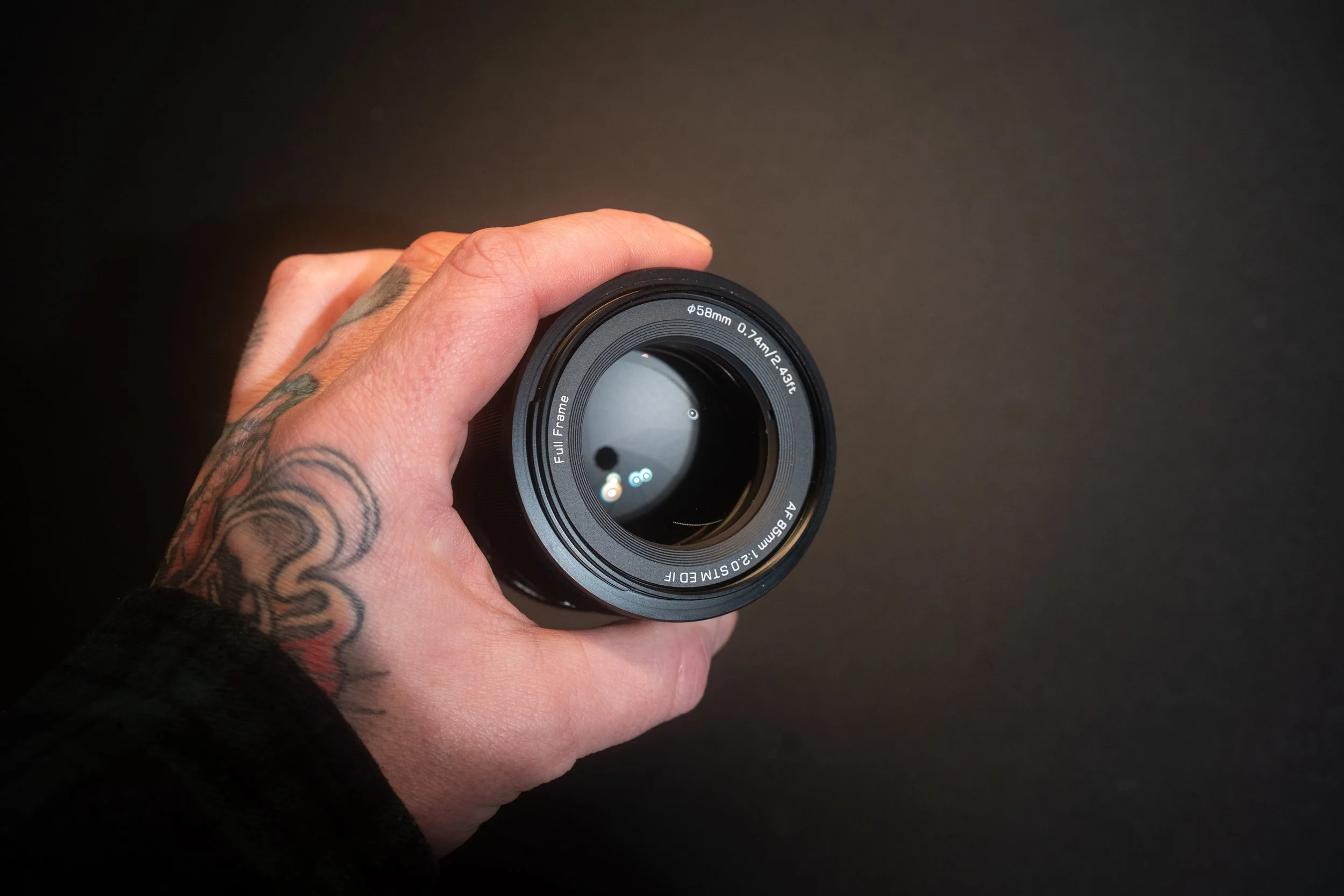
The final lens in the kit is the Viltrox 85mm f/1.8 EVO.
This is the heaviest lens in the setup at around 340 grams, but still very reasonable for an 85mm f/1.8.
I mainly use this lens for compressed shots, details, and moments where I want some distance from my subject. It’s especially useful for candid scenes and travel portraits where I don’t want to be intrusive.
Build quality is excellent, autofocus is solid, and image quality is outstanding for the price. It also includes an aperture ring, which I personally value a lot.
Price and Weight Comparison
The full three-lens setup costs roughly €580 to €620:
Viltrox 20mm f/2.8
Viltrox 40mm f/2.5
Viltrox 85mm f/1.8 EVO
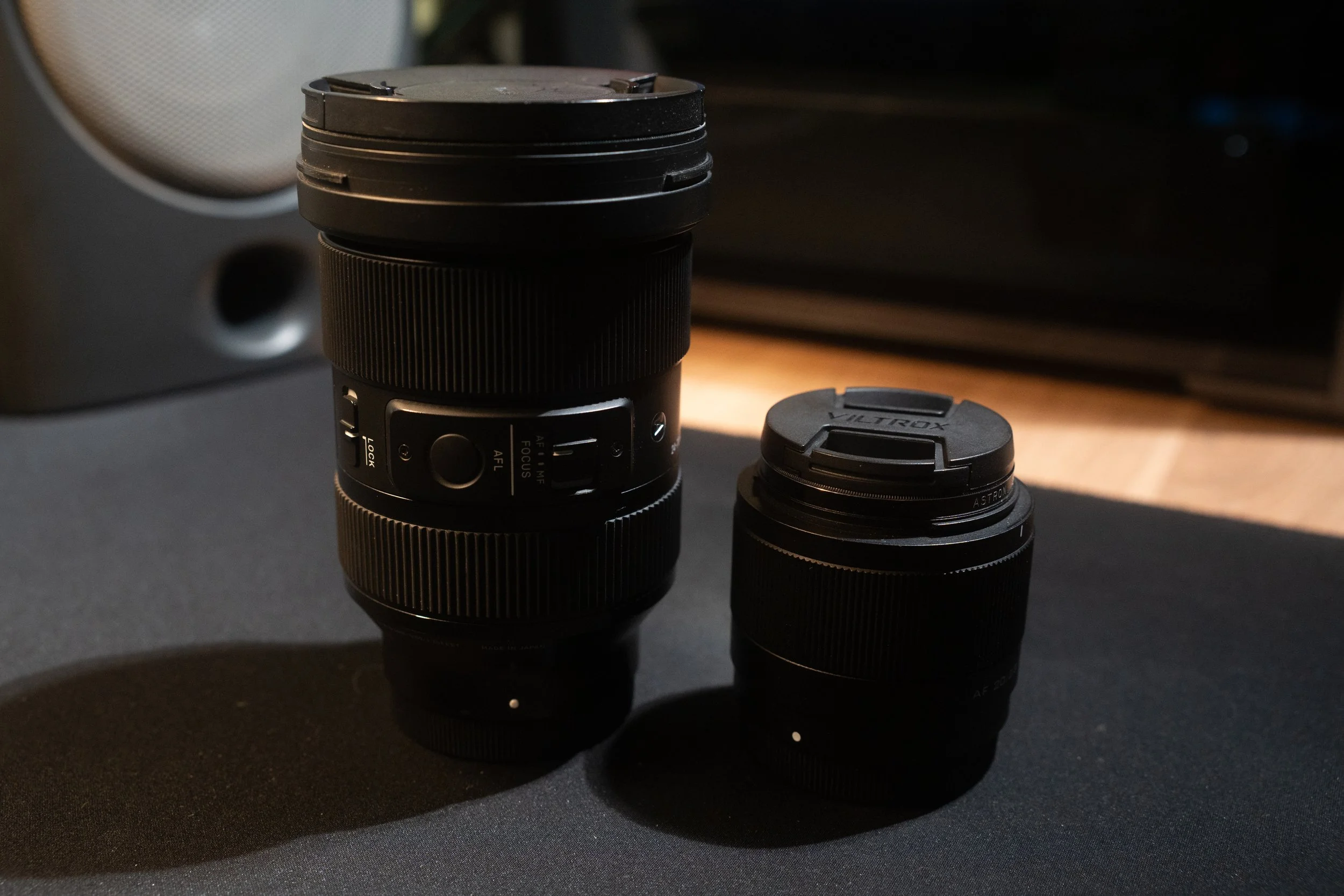
Compare that to a single Sigma 24–70mm f/2.8 DG DN Art, which costs around €1,300 new.
In terms of weight, the entire prime kit comes in at roughly 670 grams.
The Sigma 24–70 alone weighs about 735 grams.
So this full three-lens setup is actually lighter than just that one zoom lens.
And realistically, you’re never carrying all three lenses mounted at once. Depending on the day, you could easily leave one lens behind and go even lighter.
A Quick Reality Check
This setup won’t replace the convenience of a zoom for everyone.
If you need maximum flexibility and never want to change lenses, a zoom still makes sense. But for how I like to travel and shoot, this trade-off works extremely well.
Low-light performance is good but not extreme. f/1.8 and f/2.5 are still very usable, especially if you’re comfortable shooting at higher ISOs. For dedicated night shooting, I can always bring my Sigma 35mm f/1.4 when needed.

Final Thoughts
More than anything, this setup removes friction.
My bag is lighter, walking all day is more enjoyable, and I actually want to pick up my camera again. That’s the most important part.
This is the setup I’ll be using throughout 2026 for travel and street photography. Once I’ve spent more time with each lens, I’ll share more in-depth reviews and real-world results.
For now, this feels like the perfect balance between weight, price, and image quality, and it genuinely makes me excited to shoot again.